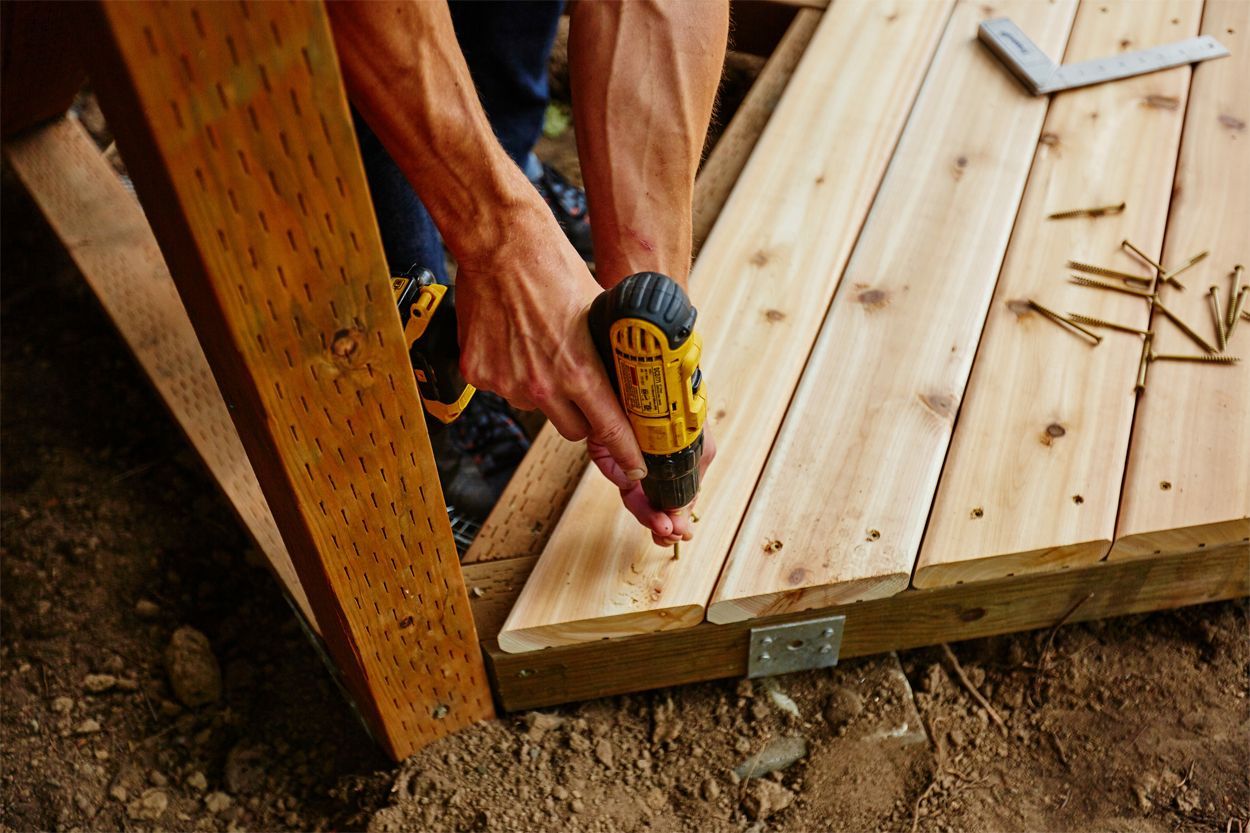
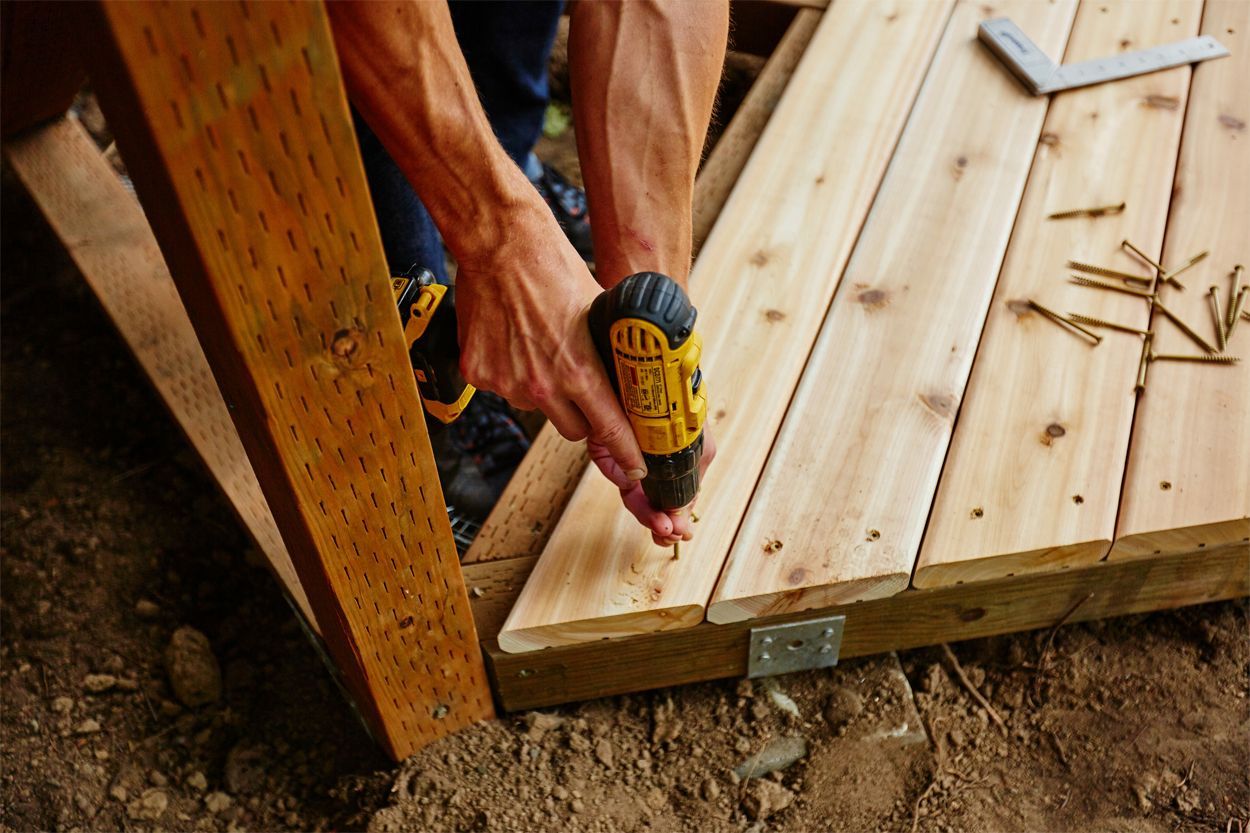
Summer is officially over, and for many homeowners, this is the time to take stock of what needs to be renovated, repaired or replaced. The deck, which was put to the test over the past few months, is often part of that review. The short answer is this: if the structure is sound, you can repair or resurface it; if it is rotten, sagging or unsafe, you need to rebuild.
Why This Question Matters Right Now?
The current economic climate has put saving money at the forefront of every project, whether for governments, businesses or families. When it comes to home improvements, the question becomes even more pressing because the work has a direct impact on our daily lives. We need to strike a balance between the enjoyment and practicality our home provides and the budget available for all our needs.
That’s why it’s important to assess the condition of your deck or patio as clearly as possible, so you can make the most realistic choice for your situation. In some cases, a complete rebuild is unavoidable, but in most situations, a less drastic and less expensive solution is within reach.
Assessing the Condition of Your Deck
The Structure
The first thing to check is your deck’s structure. Are the posts that support it in good condition? Is the foundation still solid? Is the attachment to the house still fully reliable?
These elements are a priority. If you have any doubts about their condition, call in an expert who can give you an honest assessment.
The Surface
This is the most visible aspect and the easiest to assess; it shapes your day-to-day experience of your deck. What you observe will mainly depend on the material your surface is made of.
If your deck is concrete or fiberglass, is it cracked? Do some areas sound hollow when you walk on them? Does water pool in certain spots, causing moss or mould to grow?
If it is pressure-treated wood, is the surface cracked in places? Is the paint peeling? Is moss forming, making the surface slippery and unsafe?
Whatever the material, the key thing to check is whether water is getting in, either reaching the structure or, in some cases, damaging a room located under the deck.
The Age of Your Deck
When was your deck built? When were the last repairs done? After a certain number of years, even if everything looks perfect at first glance, some components may have lost their strength or durability.
Overall Safety
Check whether the railings and posts are still solid and securely anchored. Notice whether the steps seem to move when you put your foot on them. Does the surface feel slightly bouncy when you walk across it?
Don’t Wait
If you notice a problem with your deck, don’t put off the work. Act quickly. A problem that only requires a simple repair today could turn into complications that call for a complete rebuild later, which will obviously lead to higher costs as well.
Consider a Simple Repair If…
- The structure is solid: it shows no signs of rot, sagging or movement when you walk on it;
- The damage is limited to a few areas: a few boards, a step, a section of railing;
- The problem is mostly on the surface: cracks, wear, peeling paint, minor leaks;
- The deck is relatively new, or older but in good condition according to an inspection;
- The railings and stairs are safe and up to code;
- The size and shape of the deck still suit your needs;
- You want to limit the cost and duration of the work.
Consider Rebuilding If…
- The structure is damaged, sagging or unstable;
- The posts or foundations have shifted;
- The attachment to the house is damaged or letting water in;
- The damage is widespread;
- The deck has already been repaired several times and the problems keep coming back;
- It no longer meets code requirements (guardrails, stairs, load capacity);
- You want to enlarge it, change its shape or add weight to it (hot tub, outdoor kitchen).
Whichever option you’re considering, if you’re unsure, and at the risk of repeating ourselves, we recommend consulting a specialist who can give you accurate information about the condition of your deck.
PVC Membrane, Whatever Your Situation
One of the advantages of our product is that it can be installed both on a deck that simply needs a refresh and on one that needs a complete rebuild. PVC membrane installers are qualified to give you the best possible installation, whatever your project.
Whatever work needs to be done, take the opportunity to update the look of your deck by choosing from our
wide range of colours and patterns. It’s also a chance to make sure your deck stays 100% waterproof for many years to come.
Frequently Asked Questions
An Informed Decision… to Save Money
When the economy is uncertain, it’s tempting to put everything off, or on the contrary, to tear everything down and start fresh. In many cases, the best decision lies somewhere in between. If your deck’s structure is sound, a proper repair followed by a durable covering like PVC membrane can give it many more years of life for a fraction of the cost of a rebuild. If the structure is compromised, rebuilding becomes the safest option, and the most economical in the long run. In that case, the Bestdeck membrane remains an excellent choice.
The first step is simple: inspect your deck and, if in any doubt, have its actual condition assessed. Bestdeck’s partner teams can help you see clearly and choose the option that fits your situation and your budget.
Don’t hesitate to
contact us today for a
free quote or to discuss your project with us.